Internal Family Systems & Ignatian Spirituality
A 6-Week Course for Personal and Professional Transformation
This course is designed to help you integrate the principles of Internal Family Systems (IFS) and Ignatian Spirituality to deepen self-knowledge, enhance your connection with God and the Saints, and enrich your professional and social relationships.
Course Outline
Key Concepts
Click on a card to learn more about the core ideas we’ll explore in this course.
The Internal Family System
The Self
Your core of compassion, curiosity, and wisdom.
Protectors: Managers
Proactive protectors.
Firefighters
Reactive protectors.
Exiles
Vulnerable parts holding pain.
Self-Presence, Embodying the Fruits of the Holy Spirit
We are all created in the image and likeness of God and gifted with capacities of intellect, memory, and a free will. As such, we can learn and know our inner life, we can know and connect with our Creator, and we have Self-determination.
What You Will Receive
Cost: $600
-
•
Six 2-hour sessions with guided meditations, didactic portions, and Q&A. -
•
Experiential learning through IFS demonstrations and case study discussions. -
•
A deeper connection with God, the Saints, and your own internal system. -
•
Practical skills in compassionate communication for professional and personal relationships.
Who is this Course For?
This course is designed for individuals and professionals seeking to integrate the principles of IFS and Ignatian Spirituality into their lives and work.
About the Instructors

Susan Schudt, MS, MA
Internal Family Systems Practitioner
Susan is an IFS Practitioner and Relationship Coach with a passion for helping others build compassionate internal relationships that, in turn, serve the common good in external spheres of influence. She offers pastoral and spiritual coaching through Desires of Your Heart.
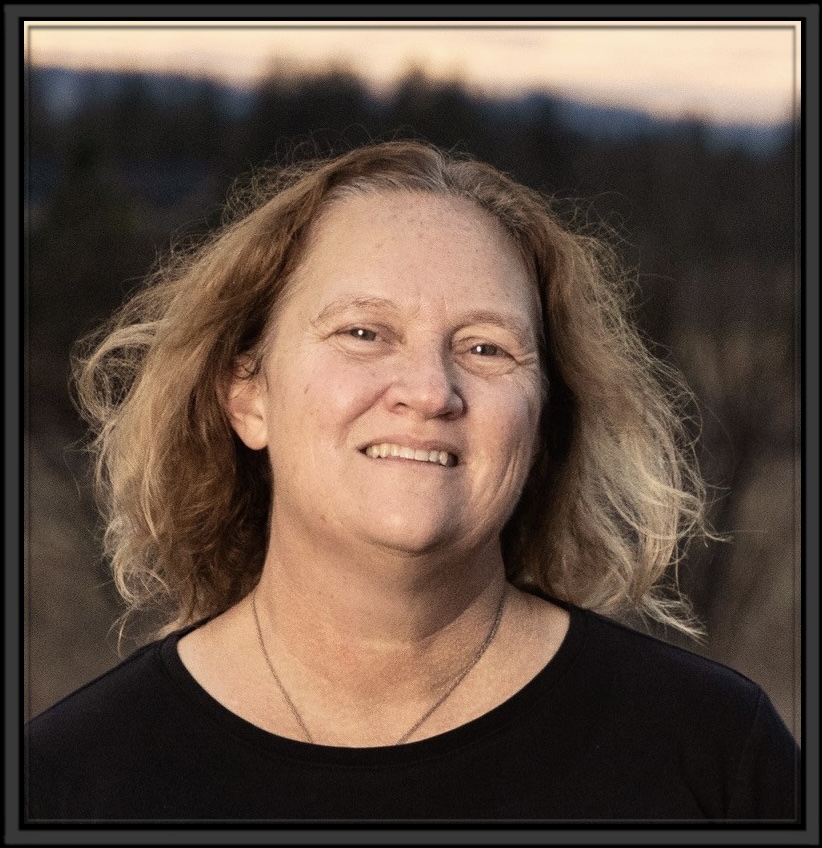
April Ross, MA, BCC
Staff Chaplain, Providence Sacred Heart Medical Center
April brings her extensive experience as a Staff Chaplain to the course, providing a compassionate and grounded perspective on spiritual and professional ministry.
document.addEventListener(‘DOMContentLoaded’, function () {
const courseData = [
{
title: “Week 1: The Foundations of IFS and Ignatian Prayer”,
content: “Introduction to the core concepts of the IFS model, what are parts and how to build Self-to-Part relationships. We will use the ‘Inside Out’ movie to illustrate how different parts function within an internal system to protect vulnerable and burdened parts (exiles). We’ll also cover the basics of Ignatian Prayer and discernment.”
},
{
title: “Week 2: IFS Protectors and Ignatian Discernment”,
content: “A deeper dive into the roles of protectors (managers and firefighters). Introduction to the IFS process of unblending, and how curiosity and compassion can create space for understanding polarized positions within ourselves. We will also introduce the basics of Ignatian discernment, focusing on distinctions between movements of the heart, emotional schemas or patterns, consolation, and desolation.”
},
{
title: “Week 3: Daily Practice and Praying with and for Parts”,
content: “How to develop a daily meditation and parts journaling practice for internal and external relationship building. We will connect the IFS concept of Heart-to-Part internal relationships to Heart-to-Trinity through Christian prayer. We will also discuss being mindful of our own and others’ parts while praying.”
},
{
title: “Week 4: Healing Internal Wounds”,
content: “A deeper understanding of how wounded and burdened parts hold beliefs rooted in past experiences. Discussion of the burdens carried by both exiles and the protectors who work to keep them hidden. The ultimate goal is to bring Self-Presence to the burdened parts through curiosity and compassion.”
},
{
title: “Week 5: Deepening the Connection”,
content: “This session will explicitly deepen the connection between IFS and Ignatian spiritual practices. The discussion will explore how healing is a collaborative process and how IFS can inform and enrich practices like the Examen or imaginative prayer.”
},
{
title: “Week 6: Discipleship and Compassionate Communication”,
content: “A discussion on using parts language and compassionate communication skills to build better relationships. This section will focus on shifting from reacting from a part to speaking for a part, and the power of vulnerability in connecting with others.”
}
];
const conceptsData = [
{
title: “The Self”,
icon: “👤”,
description: “Your core consciousness, characterized by compassion, curiosity, confidence, creativity, calm, connectedness, courage, and clarity. The Self is the natural leader of the internal system and the facilitator of healing.”
},
{
title: “Protectors: Managers”,
icon: “🛡️”,
description: “Proactive parts that manage daily life to keep you safe and functional. They strive to prevent pain from exiles from being triggered by controlling situations and relationships.”
},
{
title: “Protectors: Firefighters”,
icon: “🔥”,
description: “Reactive parts that emerge when the pain of an exile breaks through. Their goal is to distract from or numb the pain, often through impulsive or addictive behaviors.”
},
{
title: “Exiles”,
icon: “😢”,
description: “Young, vulnerable parts that hold the pain, shame, and fear from past negative experiences. They are ‘exiled’ by protectors to prevent their overwhelming feelings from flooding the system.”
}
];
const audienceData = [
{
title: “Ministry & Pastoral Professionals”,
icon: “🙏”,
description: “Enhance your professional ministry and spiritual guidance with compassionate communication and IFS principles, as discussed in the course materials.”
},
{
title: “IFS Practitioners & Enthusiasts”,
icon: “🧠”,
description: “Deepen your understanding of the IFS model by integrating it with Ignatian spiritual practices for personal and professional growth.”
},
{
title: “Individuals Seeking Self-Knowledge”,
icon: “🧘♀️”,
description: “Explore the connection between self-knowledge, internal parts, and your spiritual life to foster personal transformation and connection with God.”
},
{
title: “Conflict Navigators”,
icon: “🤝”,
description: “Learn how culture, power, and privilege influence conflict and gain practical skills to navigate differences with greater effectiveness and compassion.”
}
];
const scheduleContainer = document.getElementById(‘course-schedule’);
courseData.forEach((week, index) => {
const weekElement = document.createElement(‘div’);
weekElement.className = ‘border border-gray-200 rounded-lg overflow-hidden’;
weekElement.innerHTML = `
${week.title}
${week.content}
`;
scheduleContainer.appendChild(weekElement);
});
const conceptsContainer = document.getElementById(‘concepts-grid’);
conceptsData.forEach(concept => {
const conceptElement = document.createElement(‘div’);
conceptElement.className = ‘concept-card bg-white p-6 rounded-lg shadow-md text-center’;
conceptElement.innerHTML = `
${concept.title}
${concept.description}
`;
conceptsContainer.appendChild(conceptElement);
});
const audienceContainer = document.getElementById(‘audience-grid’);
audienceData.forEach(audience => {
const audienceElement = document.createElement(‘div’);
audienceElement.className = ‘concept-card bg-white p-6 rounded-lg shadow-md text-center’;
audienceElement.innerHTML = `
${audience.title}
${audience.description}
`;
audienceContainer.appendChild(audienceElement);
});
scheduleContainer.addEventListener(‘click’, function(e) {
const button = e.target.closest(‘.accordion-button’);
if (button) {
const content = button.nextElementSibling;
const icon = button.querySelector(‘svg’);
content.classList.toggle(‘open’);
icon.classList.toggle(‘rotate-180’);
}
});
conceptsContainer.addEventListener(‘click’, function(e) {
const card = e.target.closest(‘.concept-card’);
if (card) {
const content = card.querySelector(‘.details-content’);
content.classList.toggle(‘open’);
}
});
const navLinks = document.querySelectorAll(‘.nav-link’);
const sections = document.querySelectorAll(‘main section’);
window.addEventListener(‘scroll’, () => {
let current = ”;
sections.forEach(section => {
const sectionTop = section.offsetTop;
const sectionHeight = section.clientHeight;
if (pageYOffset >= sectionTop – 60 && pageYOffset {
link.classList.remove(‘active’);
if (link.getAttribute(‘href’).includes(current)) {
link.classList.add(‘active’);
}
});
});
});
 Desires of Your Heart